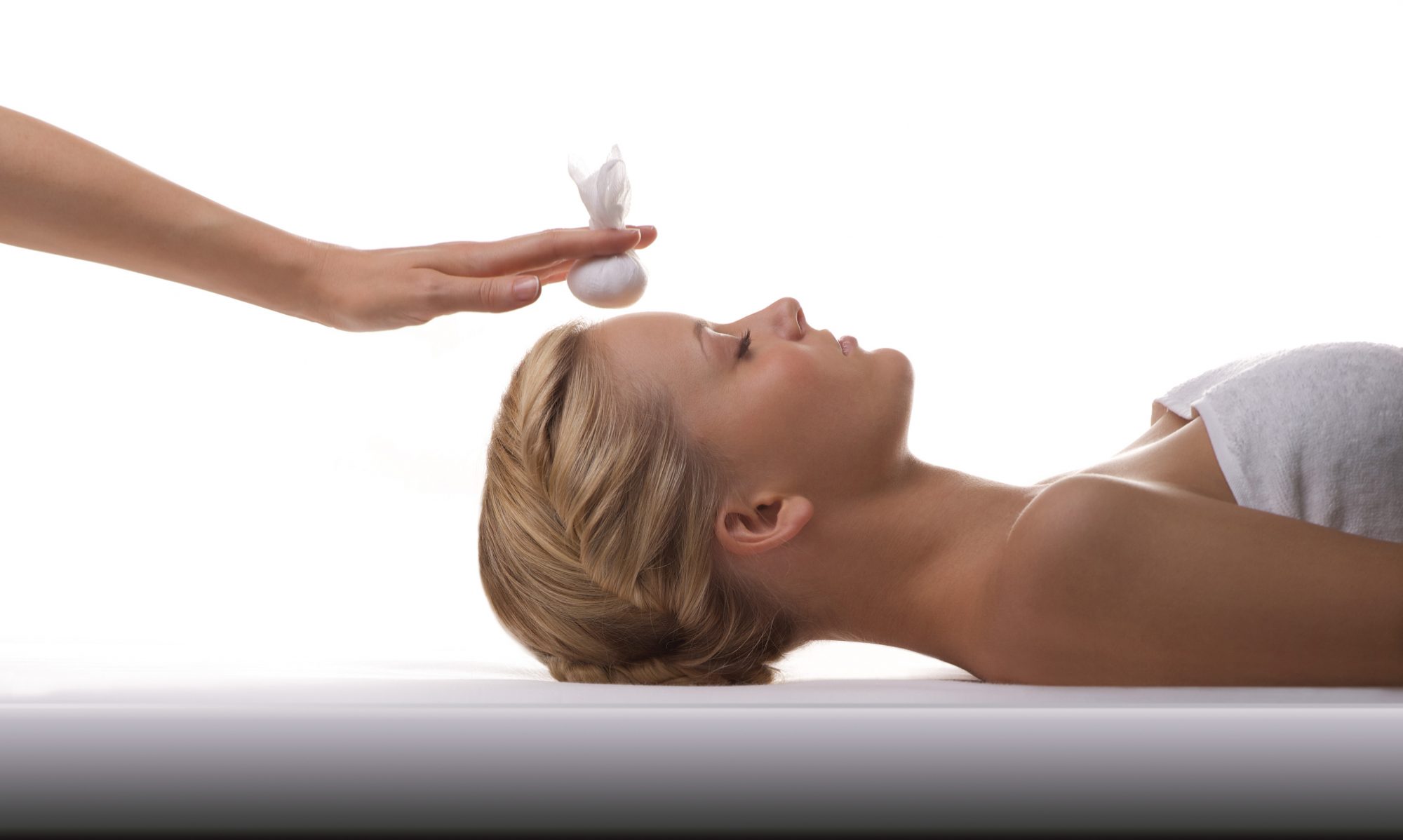


Whether you’re just looking for a relaxing break during your week or are concerned about the look and feel of your skin, a facial can rejuvenate your skin and bring a new glow to your face. However, deciding which of the many products and services to choose from can be a challenge. That’s why Lakeland Spa prepared this short article about two common facial products – AHA and BHA – for you. Keep reading to learn more about them and the wonderful world of chemical exfoliants used in facials.
What are AHAs?
AHA stands for alpha hydroxy acid, a water-soluble acid frequently used in skin care treatments and facials. It can be naturally occurring, but laboratory-derived AHAs are more stable and, therefore used more often. You may be aware AHAs occur naturally in milk (lactic acid), sugarcane (glycolic acid), and fruit sources (citric acid).
AHAs are commonly used in facials and exfoliating treatments that target the superficial layers of the skin. They provide several easy-to-spot benefits including:
- help gently dissolve dead skin cells and increase cell turn over
- a reduction in the visible signs of fine lines and wrinkles
- an improve rough uneven skin texture
- help keeps pores clean and reduce visibility
AHAs help remove dead skin and also enhance the effects of other skin care products.
What are BHAs?
Beta hydroxy acids, or BHAs, are AHAs’ oil-soluble cousins that can penetrate deeper into your
skin. The most commonly used BHA is salicylic acid which is naturally found in certain plants such as white willow and wintergreen leaves.
For effective cleansing, facial cleansers usually contain a lower concentration of BHAs, ranging from 0.5% to 2%.
The benefits of using BHAs regularly include:
- Decreases clogged pores and blackheads to prevent acne
- Promotes natural shedding and loosens the “glue” that hold cells together which target rough or bumpy skin conditions (psoriasis, acne…)
- Reduce inflammation and leave skin less reddened and more sensitized.
- Decrease oil production to make your skin less oily without it becoming dry.
Which Exfoliant Should You Choose?
A facial technician is the best-placed person to determine the type of chemical exfoliant that would suit you best, but the following chart offers a quick overview of the most common uses of AHAs and BHAs for facials and regular skin routines.
| AHAs | BHAs | |
| Sensitive Skin | ✔ | ✔ |
| Dry Skin/Dehydration | ✔ | |
| Oily Skin | ✔ | |
| Acne-prone Skin | ✔ | |
| Sun Damage | ✔ | |
| Crepey Skin | ✔ | |
| Wrinkles | ✔ | |
| Enlarged Pores | ✔ | |
| Uneven Tone | ✔ | |
| Rough Texture | ✔ |
AHAs and BHAs can be used together – they are related after all! However, for the safest usage, alternate between the products or use a targeted application for problem areas.
Rejuvenate Your Skin at Lakeside Spa in Calgary
The caring and experienced facial technicians at Lakeside Spa offer skin consultations and facial treatment services, which are tailored to address your unique skin needs.
Contact us today to experience the transformative effects of facials. Indulge in our luxurious spa services, which blend effective skincare with relaxation.